
Get Fly Infestation Extermination
Local service providers can handle fly infestations in residential or commercial properties, solving problems caused by swarms, nests, and recurring fly issues.
Fly infestations can quickly become a nuisance for property owners, impacting comfort and hygiene. If you’re noticing an increase in flies around your home or business, exploring professional extermination options is a practical step toward restoring a clean, pest-free environment. Local contractors who specialize in fly control can provide tailored solutions to address your specific situation, making it easier to plan a project that fits your needs.
For property owners in the area, comparing local service providers ensures access to experienced professionals equipped to handle fly infestations effectively. Taking the time to review different options can help you find a solution that aligns with your property's requirements. Keep reading to learn more about how local contractors can assist in managing fly problems and maintaining a healthier space.
- Common Projects for Fly Infestation Extermination Services
- Fly infestation cleanup - needed when homes or businesses are experiencing an overwhelming presence of flies indoors.
- Fly trap installation - suitable for property owners seeking to reduce fly populations around their premises.
- Sanitation and debris removal - essential when accumulated waste or organic matter attracts flies to the area.
- Infestation source identification - necessary for locating breeding sites that sustain ongoing fly problems.
- Preventive fly control measures - recommended for maintaining a fly-free environment after initial extermination efforts.
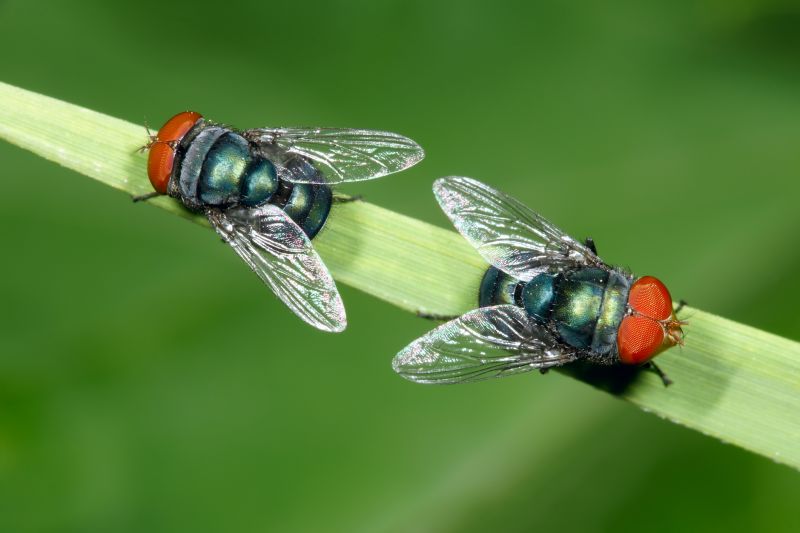
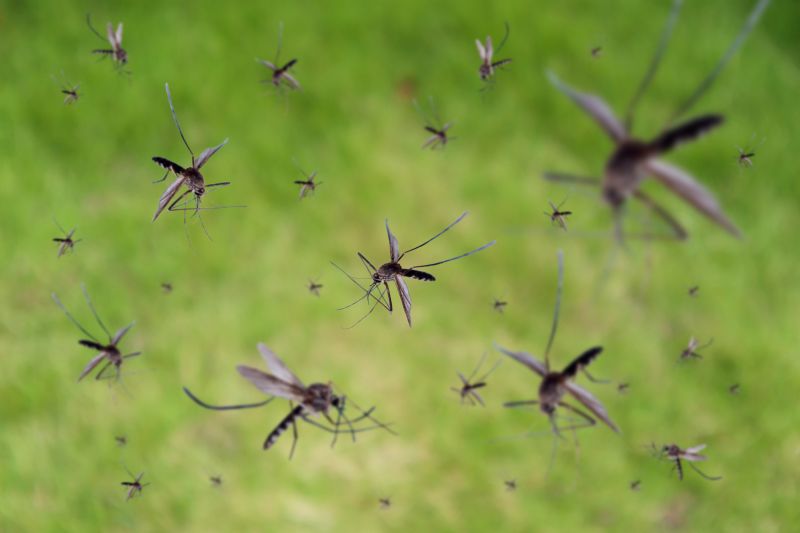
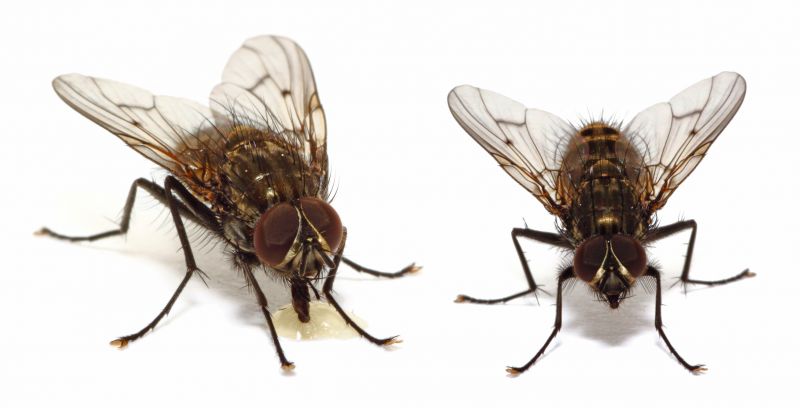
Fly infestation extermination services focus on identifying and eliminating flies that have become a nuisance in residential or commercial properties. These services typically involve thorough inspections to determine the source of the fly problem, followed by targeted treatments to reduce or eradicate the infestation. Local contractors may use a combination of trapping, baiting, and chemical applications to control fly populations effectively. The goal is to create a clean, fly-free environment by addressing both visible flies and their breeding sites.
This type of service helps resolve common problems associated with fly infestations, such as unsanitary conditions, unpleasant odors, and the spread of bacteria. Flies often breed in areas with decaying organic matter, garbage, or standing water, making it important to eliminate breeding sites to prevent recurring issues. Homeowners may notice an increase in flies around trash bins, compost areas, or damp basements. Professional exterminators can help restore comfort and hygiene by removing flies and reducing the risk of health hazards linked to infestations.
Fly infestation services are frequently used in a variety of property types, including single-family homes, apartment complexes, restaurants, and food processing facilities. Residential properties often seek these services when flies become a persistent problem, especially during warmer months. Commercial properties involved in food handling or preparation may require regular treatments to maintain sanitary standards and comply with health regulations. In all cases, local service providers tailor their approach based on the severity of the infestation and the specific needs of each property.
Homeowners and property managers should consider fly extermination services when flies are disrupting daily activities or causing concern about hygiene. Signs that professional intervention may be needed include a sudden increase in fly activity, visible breeding sites, or flies that persist despite basic cleaning efforts. By connecting with experienced local contractors, property owners can find effective solutions to control and prevent fly problems, ensuring a cleaner, more comfortable environment.
The overview below groups typical Fly Infestation Extermination projects into broad ranges so you can see how smaller, mid-sized, and larger jobs often compare in your area.
In many markets, a large share of routine jobs stays in the lower and middle ranges, while only a smaller percentage of projects moves into the highest bands when the work is more complex or site conditions are harder than average.
Basic Treatments - most small-scale fly infestation jobs typically cost between $250 and $600. Many routine treatments fall within this range, covering common areas like kitchens and dining rooms. Larger or more complex projects may cost more depending on the extent of the infestation.
Moderate Extermination - mid-sized projects, such as infestations affecting multiple rooms or larger spaces, usually range from $600 to $1,200. These projects are common when addressing persistent or widespread fly problems in residential or commercial properties.
Severe Infestations - extensive or difficult-to-access infestations can push costs into the $1,200-$3,000 range. Such projects often involve multiple visits or specialized treatments, which are less common but necessary for severe cases.
Full Property Extermination - complete overhauls of an entire property or large commercial spaces can exceed $3,000, with larger, more complex projects reaching $5,000 or more. These are typically reserved for major infestations or when integrated pest management strategies are required.
Actual totals will depend on details like access to the work area, the scope of the project, and the materials selected, so use these as general starting points rather than exact figures.
Pest Control for Mosquitoes - local contractors use similar trapping, spraying, and habitat elimination techniques to control flying pests like mosquitoes, which can also infest indoor and outdoor spaces.
Bee and Wasp Nest Removal - specialists remove flying insect nests using planning and tools comparable to fly infestation treatments, ensuring safe and effective removal from properties.
Rodent Exclusion Services - these projects involve identifying entry points and implementing sealing strategies, requiring similar inspection and planning skills as fly infestation control.
Indoor Insect Extermination - providers handle infestations of various flying insects inside buildings, utilizing comparable chemical and physical control methods used in fly extermination.
Bird Control and Deterrent Services - strategies to prevent bird nesting and roosting involve planning and tools similar to those used in managing flying insect populations.
Commercial Pest Management - comprehensive pest control for businesses includes managing flying pests with integrated techniques akin to fly infestation extermination projects.
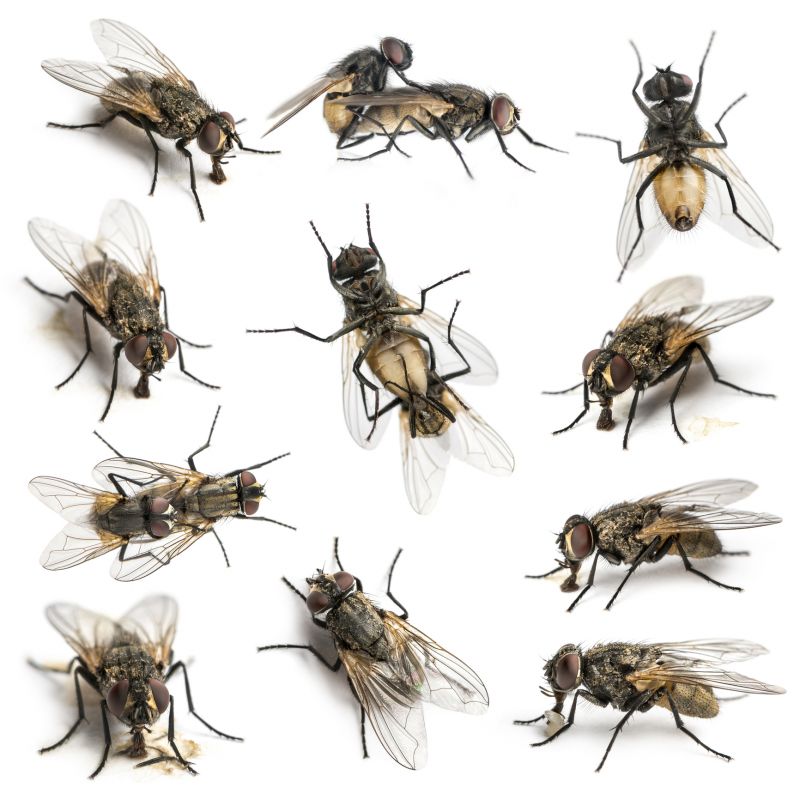
When comparing service providers for fly infestation extermination, it is important to consider their experience with similar projects. Homeowners should look for local contractors who have a proven track record in handling fly control issues, especially in environments comparable to their own homes. An experienced professional is more likely to understand the common causes of infestations and employ effective strategies to address them, resulting in a more thorough and lasting solution.
Clear written expectations are essential to ensure that both the homeowner and the service provider are aligned on the scope of work. When evaluating local pros, inquire about detailed descriptions of the services offered, what the treatment process involves, and any preparations or follow-up steps needed. Having this information in writing helps prevent misunderstandings and provides a basis for assessing whether the contractor’s approach matches the homeowner’s needs.
Reputable references and good communication are key factors in selecting a reliable service provider. Homeowners should ask for references from previous clients who experienced similar fly issues and verify their satisfaction with the results. Additionally, choosing local contractors who communicate clearly, respond promptly to questions, and provide comprehensive information demonstrates professionalism and a commitment to customer service. This approach helps ensure that the homeowner feels informed and confident throughout the process.
Property owners use Fly Infestation Extermination services for practical projects around their homes and businesses. This guide focuses on everyday jobs and straightforward project options.
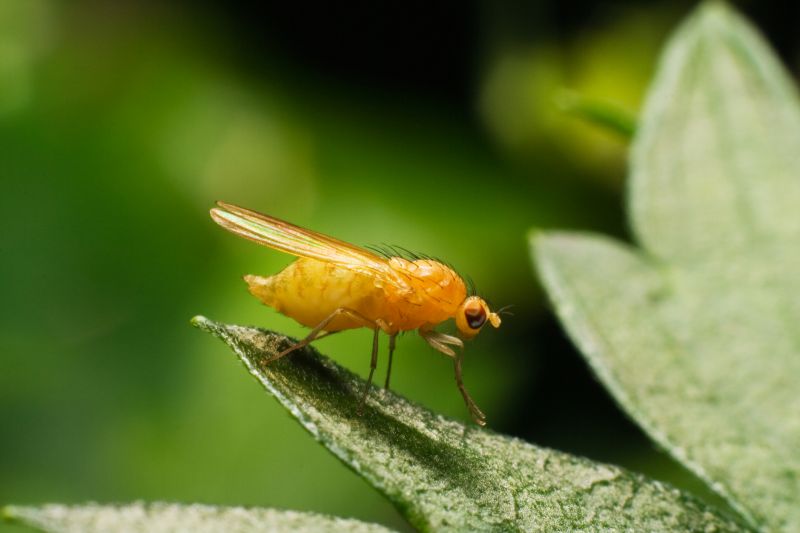
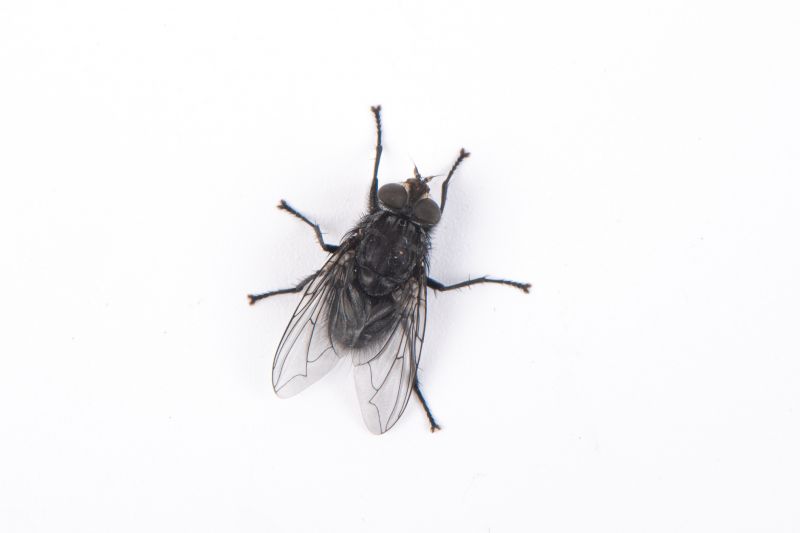
Fly infestations can become a common nuisance for property owners dealing with issues like lingering odors, visible swarms, or signs of decaying organic matter. In many cases, homeowners or business owners seek the assistance of local contractors to eliminate these pests and prevent future problems. These service providers are experienced in identifying the sources of fly activity and implementing effective extermination methods to restore comfort and cleanliness to residential and commercial spaces.
Property owners might also look for fly extermination services when they notice increased fly activity during certain seasons or after events like construction, landscaping, or waste management. Local contractors can help address these situations promptly, reducing the risk of infestations spreading or recurring. Connecting with experienced service providers ensures that the problem is handled efficiently, allowing property owners to maintain a hygienic environment with minimal disruption.
What are common signs of a fly infestation? Signs include increased fly presence indoors, especially near food sources or waste areas, and the appearance of maggots or fly larvae in drains or trash bins.
How do local contractors typically handle fly infestations? They usually identify breeding sites, eliminate attractants, and use targeted treatments to reduce fly populations effectively.
Can fly infestations be prevented? Preventative measures involve proper waste management, sealing entry points, and maintaining cleanliness to reduce attractants for flies.
What types of flies are usually involved in infestations? Common types include house flies, fruit flies, and cluster flies, each requiring specific control approaches.
Are chemical treatments necessary for fly extermination? Many local service providers use a combination of sanitation and targeted treatments, which may include chemical options if needed.
Fly Infestation Prevention Tips - Property owners can learn how to identify potential breeding sites around their property to reduce fly populations.
Integrated Pest Management Strategies - Homeowners can explore practical ways to minimize attractants like waste or standing water that draw flies.
Seasonal Fly Control Advice - Property owners can find guidance on maintaining fly-free outdoor spaces during peak seasons.
Choosing Local Fly Extermination Services - Homeowners can compare nearby service providers who specialize in effective fly infestation removal.
If you are thinking about Fly Infestation Extermination for a property, this guide is meant to help you understand the work, the typical project types, and how different options might fit your plans.
When you are ready, you can use the quote form on this page to share a few details about your project. From there, local pros can review the basics and respond with options that match what you have in mind.