
Get Stinging Insect Extermination
Stinging insect extermination services help property owners eliminate wasps, bees, and hornets to ensure safety and prevent nests from causing damage or bites.
Stinging insect problems can quickly become a concern for property owners seeking to maintain a safe and comfortable environment. Whether dealing with wasps, hornets, or bees, many in the community consider professional extermination services to address these issues effectively. Exploring local contractors who specialize in stinging insect removal can provide practical solutions tailored to the specific needs of your property, helping to prevent potential stings and structural damage.
Property owners often look into local options to ensure the job is handled efficiently and with minimal disruption. Comparing different service providers allows for a better understanding of available approaches and expertise in managing stinging insect infestations. By continuing to explore the options, you can connect with experienced local contractors equipped to handle your specific situation.
- Wasp and Hornet Nests Removal - when nests are found on or near residential or commercial properties, posing a risk to occupants.
- Bee Hive Removal - in cases where bee hives are established in wall cavities, attics, or outdoor structures, requiring professional removal.
- Ground Stinging Insect Control - when ground nests of yellow jackets or other stinging insects threaten outdoor activity areas.
- Seasonal Pest Prevention - to address recurring stinging insect activity during peak seasons and prevent future infestations.
- Emergency Stinging Insect Extermination - in urgent situations where stinging insects have become aggressive or multiple stings have occurred.
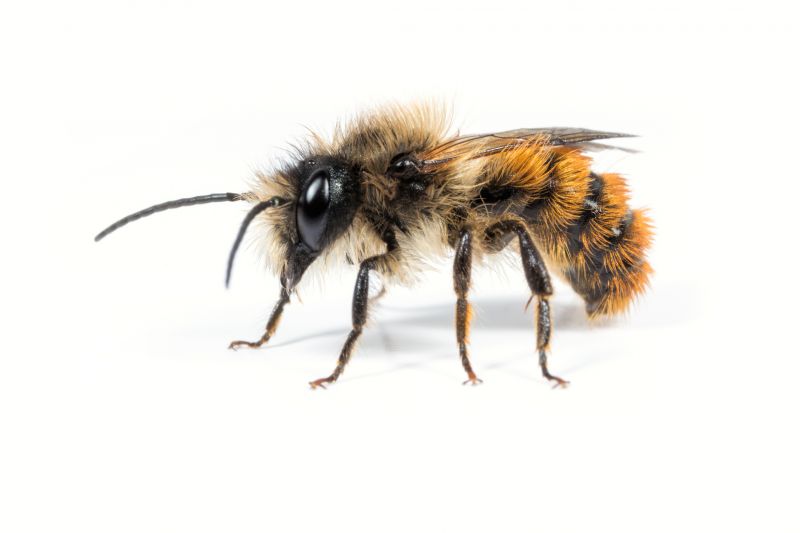
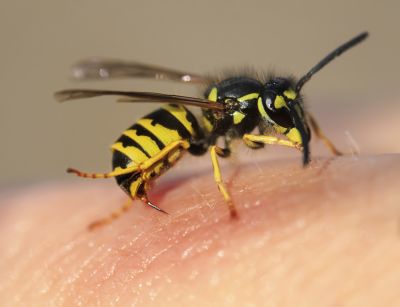
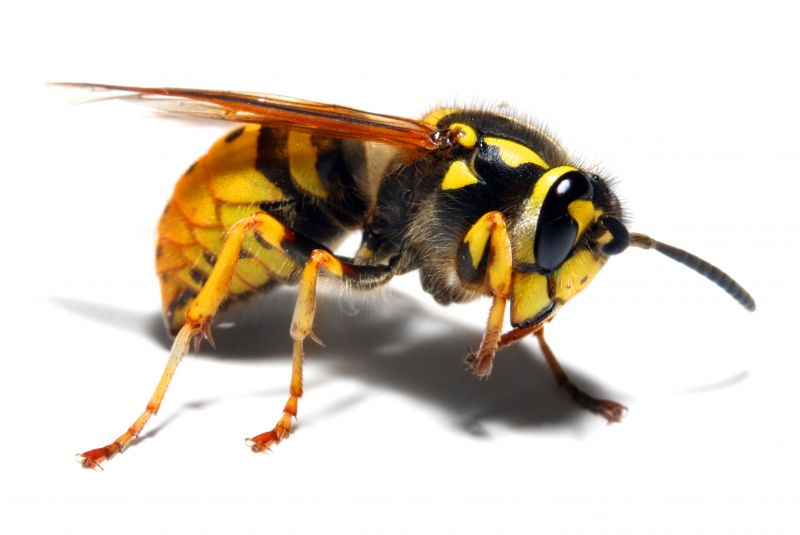
Stinging insect extermination services involve identifying and safely removing colonies of aggressive insects such as wasps, hornets, and yellow jackets. These pests often build nests on or around residential properties, creating hazards for residents and visitors. Service providers utilize specialized tools and techniques to eliminate the insects and their nests effectively, reducing the risk of stings and preventing future infestations. The process typically includes a thorough inspection to locate nests, followed by targeted treatment to ensure complete removal.
This service helps solve common problems associated with stinging insects, including allergic reactions, painful stings, and the potential for aggressive attacks when nests are disturbed. In addition to personal safety concerns, large or hidden nests can cause property damage or create unsightly conditions around a home or business. Professional exterminators also work to prevent recurring issues by identifying entry points and applying preventative measures, helping to keep outdoor spaces safe and comfortable for residents and guests.
Properties that frequently utilize stinging insect extermination services include single-family homes, multi-unit residential buildings, commercial properties, and outdoor recreational areas. Homes with nearby trees, shrubs, or other structures often provide ideal nesting sites for these insects. Commercial venues, such as restaurants, parks, or event spaces, may seek regular treatments to maintain a safe environment for visitors. Any property experiencing persistent insect activity or recent nest discovery can benefit from professional extermination to address the problem effectively.
Homeowners should consider stinging insect extermination services when they notice signs of nests or experience increased insect activity around their property. Common indicators include swarms of insects near eaves, decks, or sheds, as well as visible nests attached to walls or in trees. Prompt professional intervention can help eliminate the threat quickly, prevent injuries, and restore outdoor spaces to a safe and enjoyable condition. Contacting experienced local contractors ensures that the problem is handled efficiently and thoroughly.
The overview below groups typical Stinging Insect Extermination projects into broad ranges so you can see how smaller, mid-sized, and larger jobs often compare in your area.
In many markets, a large share of routine jobs stays in the lower and middle ranges, while only a smaller percentage of projects moves into the highest bands when the work is more complex or site conditions are harder than average.
Small-Scale Treatments - Typical costs for treating individual nests or minor infestations range from $250 to $600. Many routine jobs fall within this middle range, with fewer projects reaching the higher end of the spectrum.
Moderate Extermination Projects - Larger, more involved treatments such as multiple nests or extensive infestation areas can cost between $600 and $1,200. These projects are common for homeowners dealing with multiple colonies.
Full Property Extermination - Complete removal of stinging insects across an entire property may range from $1,200 to $3,000. Such larger projects are less frequent but necessary for severe infestations.
Complex or Emergency Services - In cases involving difficult access or urgent removal, costs can exceed $3,000, with some complex jobs reaching $5,000 or more. These higher-tier projects are typically less common but essential for high-risk situations.
Actual totals will depend on details like access to the work area, the scope of the project, and the materials selected, so use these as general starting points rather than exact figures.
Bee Removal Services - these projects require knowledge of insect behavior and specialized tools to safely remove colonies from structures or outdoor spaces.
Spider Extermination Projects - similar techniques and planning are needed to identify nests and apply targeted treatments to reduce spider populations.
Ant Control Services - professionals use comparable pest management strategies to eliminate ant colonies and prevent future infestations.
Hornet and Wasp Nest Removal - these projects involve locating and safely removing aerial or ground nests, requiring similar planning and tools as stinging insect extermination.
Termite Treatment Services - both involve inspection, treatment planning, and application of control methods to protect properties from insect damage.
Rodent Exclusion Projects - these projects require inspection, planning, and sealing entry points, sharing skills in pest identification and exclusion techniques.
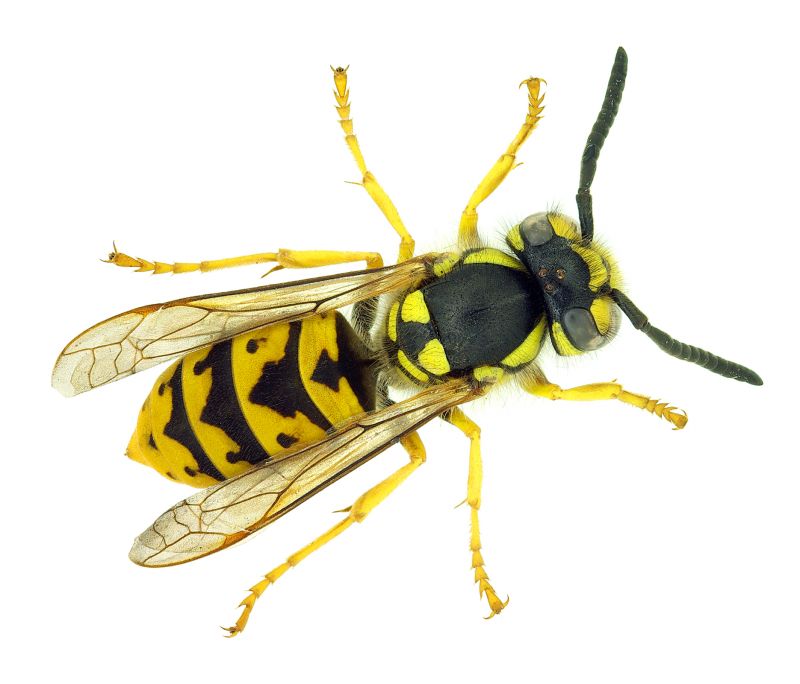
When comparing service providers for stinging insect extermination, it’s important to consider their experience with similar projects. Look for local contractors who have a proven track record of handling pest issues like wasp, hornet, or bee infestations in homes comparable to yours. An experienced professional will be familiar with the common challenges associated with these pests and will likely have refined techniques to address them effectively, reducing the risk of recurring problems.
Clear, written expectations are essential to ensure that both you and the service provider are aligned on the scope of work. A reputable local contractor should be able to provide detailed information about the treatment methods, areas that will be addressed, and any precautions you might need to take. Having this information in writing helps prevent misunderstandings and ensures that the extermination process meets your specific needs.
Reputable references and good communication are key indicators of a trustworthy service provider. When researching local options, seek out contractors with positive references or reviews from previous customers who had similar pest issues. Additionally, responsive and transparent communication from the contractor can make the process smoother, making it easier to ask questions and get the information you need. Remember, the site introduces homeowners to local pros who are equipped to handle the work; it does not perform the extermination itself.
Property owners use Stinging Insect Extermination services for practical projects around their homes and businesses. This guide focuses on everyday jobs and straightforward project options.
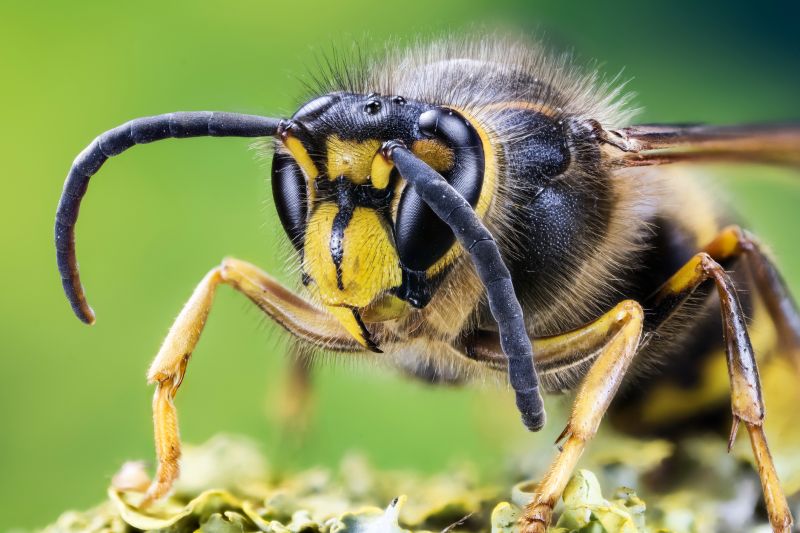
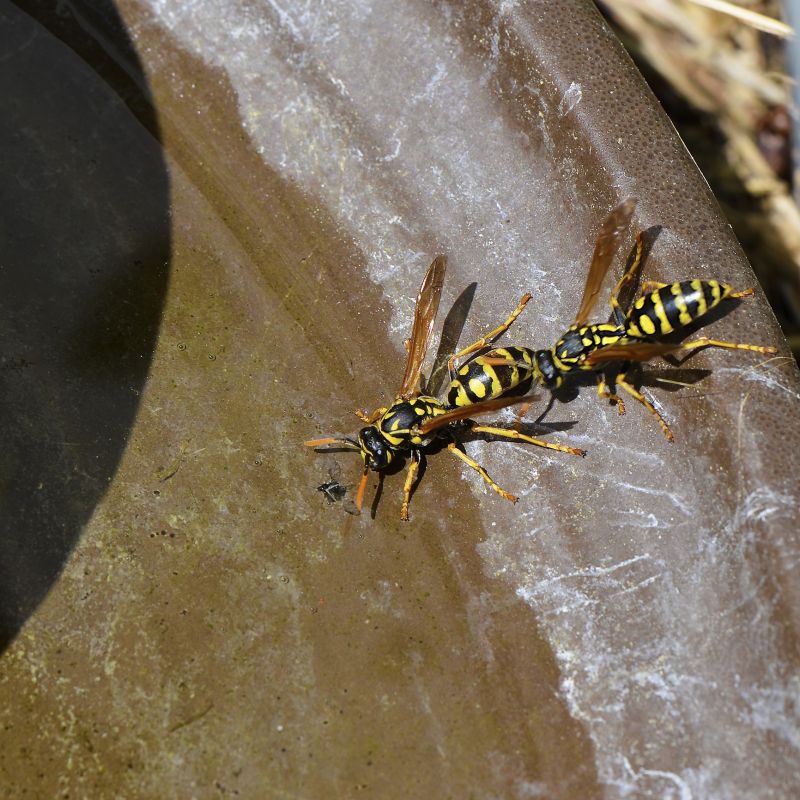
Stinging insect problems can quickly become a concern for property owners dealing with nests near their homes, gardens, or outdoor recreational areas. Common situations include discovering large wasp or hornet nests in trees, eaves, or sheds, especially during warmer months when these insects are most active. Property owners may seek extermination services to safely remove these nests and prevent potential stings, especially if the insects pose a threat to children, pets, or anyone allergic to stings.
In addition to safety concerns, many property owners look for stinging insect extermination to protect their outdoor spaces from damage and disturbance. Unwanted nests can interfere with outdoor activities, damage structures, or lead to increased insect populations around the property. Local contractors specializing in this work can assess the situation, remove nests, and implement measures to reduce future infestations, helping residents enjoy their yards and outdoor areas without worry.
What types of stinging insects can local contractors handle? Local service providers typically manage a variety of stinging insects including wasps, hornets, and yellow jackets, providing targeted extermination solutions.
How do extermination methods vary between different stinging insects? Techniques may differ based on the insect species, with options such as nests removal, insecticide applications, or trapping used to effectively eliminate the problem.
Are there specific signs that indicate a stinging insect nest nearby? Signs include visible nests on eaves, trees, or ground, increased activity around certain areas, and frequent buzzing or stinging incidents.
What should be done to prepare a property before a stinging insect treatment? It's recommended to keep children and pets away from treated areas and avoid disturbing nests prior to the arrival of a local contractor.
How can property owners prevent future stinging insect infestations? Regular inspections, removing potential nesting sites, and maintaining outdoor areas can help reduce the likelihood of future issues handled by local service providers.
Preventing Stings in Outdoor Spaces - Property owners can have local contractors treat areas around patios, decks, and gardens to reduce the risk of insect stings during outdoor activities.
Protecting Food and Trash Areas - Exterminators can help manage insects near outdoor dining zones and trash receptacles to keep pests away from food sources.
Creating a Safe Play Area - Service providers can remove nests and insects around playgrounds or play structures to ensure safe outdoor play for children.
Managing Insect Activity Near Entry Points - Local contractors can treat entryways, porches, and eaves to prevent insects from entering the home or building.
If you are thinking about Stinging Insect Extermination for a property, this guide is meant to help you understand the work, the typical project types, and how different options might fit your plans.
When you are ready, you can use the quote form on this page to share a few details about your project. From there, local pros can review the basics and respond with options that match what you have in mind.