
Wildlife Removal vs. Pest Control: Understanding the Difference
Wildlife removal and pest control services help you safely eliminate animals or pests, with local contractors providing tailored solutions to protect your property.
Understanding the difference between wildlife removal and pest control is essential for property owners facing unwanted visitors or infestations. While these terms are often used interchangeably, they refer to distinct approaches tailored to specific issues. Wildlife removal typically involves addressing larger animals like raccoons, squirrels, or bats that have entered buildings or encroached on property, requiring specialized techniques to safely and humanely relocate them. Pest control, on the other hand, focuses on managing smaller pests such as insects, rodents, or other nuisances that can threaten health or damage property. Exploring this topic can help homeowners and business owners make informed decisions about the right type of service needed to resolve their concerns effectively.
For those in the area dealing with wildlife intrusions or pest problems, understanding these differences can lead to more targeted solutions. Local service providers specializing in wildlife removal and pest control are equipped to handle each situation appropriately, ensuring the right methods are used for safe and effective results. Whether it's removing a raccoon from an attic or controlling a rodent infestation, knowing which approach fits the problem can make a significant difference. Keep reading to learn more about how these services differ and how local contractors can assist in protecting your property from a variety of unwanted guests.
- Wildlife removal - needed when animals such as raccoons, squirrels, or bats invade homes or attics, with local contractors specializing in humane exclusion and removal methods.
- Pest control - appropriate for managing insects, rodents, or pests that infest living spaces, with service providers focusing on targeted treatments and prevention strategies.
- Wildlife removal - required when animals cause structural damage or pose health risks, with professionals assessing entry points and safely removing wildlife from properties.
- Pest control - used when pest populations threaten hygiene or comfort, with local experts applying control solutions tailored to specific pest issues.
- Wildlife removal - suitable for situations where wildlife needs to be relocated, with contractors ensuring humane practices and proper disposal methods.
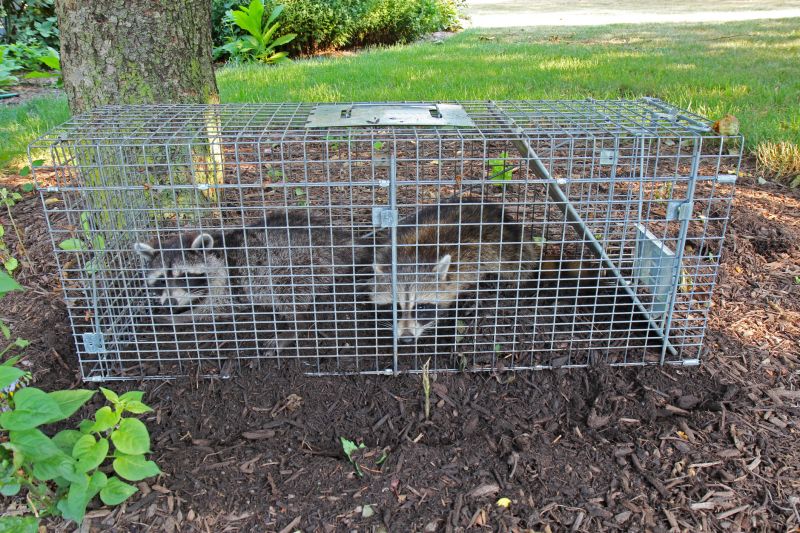
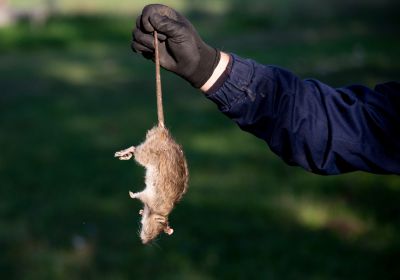
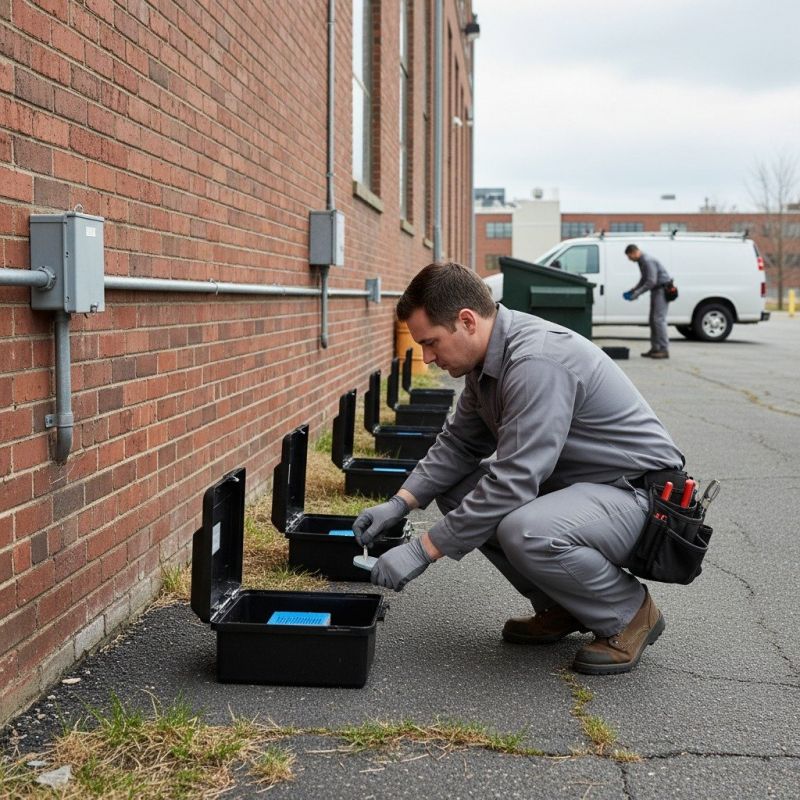
When people search for information about wildlife removal vs. pest control, they are often trying to understand the difference between dealing with animals that have entered their property versus managing insects or pests that threaten their living environment. Wildlife removal typically involves addressing larger animals such as raccoons, squirrels, bats, or birds that have taken up residence in or around a home or business. Pest control, on the other hand, usually focuses on smaller pests like ants, cockroaches, termites, or rodents that infest indoor spaces or cause damage. Clarifying this distinction helps homeowners identify the right type of service needed to resolve their specific problems effectively.
These services are connected to a range of property-related issues and plans. For example, wildlife problems often involve animals nesting in attics, chimneys, or under decks, which can lead to property damage or health concerns. Pest control may be necessary when insects invade kitchens, crawl spaces, or wall voids, creating unsanitary conditions or risking structural damage. Homeowners may consider wildlife removal if they notice animals making noise at night or evidence of droppings, while pest control is typically sought when there are visible pests or signs of an infestation. Understanding these different scenarios helps in choosing the appropriate approach for a successful resolution.
The types of properties that frequently encounter wildlife or pest issues tend to be residential homes, especially those with accessible attics, basements, or exterior structures. Commercial buildings, farms, and even outbuildings can also face similar challenges. Properties with nearby trees, dense shrubbery, or water sources are more prone to wildlife encounters, as animals seek shelter or food. Conversely, properties with food storage areas, clutter, or moisture problems are more susceptible to insect infestations. Recognizing the kinds of properties affected by these issues can guide homeowners in seeking specialized wildlife removal or pest control services that are well-equipped to handle the specific environment and problem.
For homeowners, understanding the difference between wildlife removal and pest control is essential for planning effective projects. Local service providers who specialize in these areas can assess the situation, identify the type of animals or pests involved, and recommend targeted solutions. Wildlife removal experts typically focus on humane exclusion and removal of larger animals, ensuring they do not return. Pest control specialists often implement treatments or barriers to eliminate insects or rodents from indoor spaces. Connecting with the right local pros ensures that each problem is addressed with the appropriate expertise, leading to safer, cleaner, and more comfortable properties.
Exclusion Services - These projects involve sealing entry points and installing barriers, skills that are common in both wildlife removal and pest control to prevent animal or insect intrusion.
Trapping and Removal - Trapping techniques used in wildlife removal and pest control require similar planning and use of specialized traps for humane or effective removal.
Habitat Modification - Altering environments to discourage pests or wildlife from settling in shares techniques used in both fields to reduce future invasions.
Inspection Services - Conducting thorough inspections to identify signs of pests or wildlife activity is a key step in both wildlife removal and pest control projects.
Sanitation and Cleanup - Removing droppings, nests, or carcasses is a common task that overlaps in wildlife removal and pest control to restore safety and hygiene.
Preventative Treatments - Applying treatments to deter future pests or wildlife incursions involves planning and application methods used across both service types.
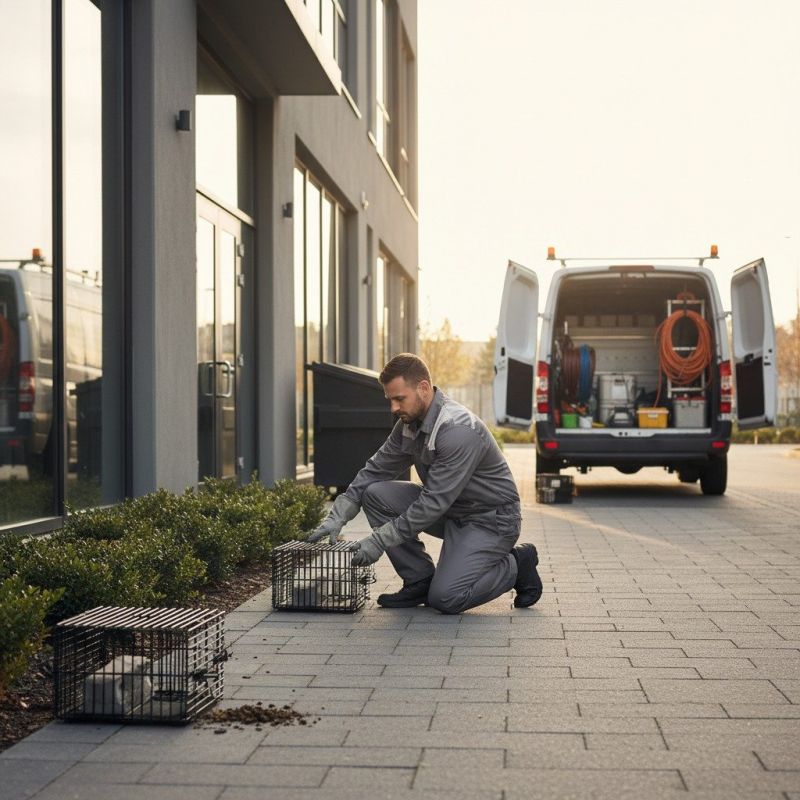
When comparing wildlife removal versus pest control services, it’s important to consider the experience of local contractors with similar projects. Wildlife removal typically involves handling larger animals like raccoons, squirrels, or bats, often requiring specialized techniques and knowledge of animal behavior. Pest control, on the other hand, generally addresses smaller pests such as insects or rodents, with different methods suited to their specific habitats and life cycles. Ensuring that service providers have a history of successfully managing the type of wildlife or pests involved can help ensure the job is handled effectively and safely.
Clear, written expectations are essential when evaluating local service providers for wildlife removal or pest control. This should include details about the scope of work, what methods will be used, and any follow-up procedures. Having a transparent plan helps prevent misunderstandings and ensures that both parties are aligned on what the service entails. It’s also helpful to ask for reputable references or reviews from previous clients who have had similar issues, as this can provide insight into the contractor’s reliability and the quality of their work.
Effective communication is a key factor when choosing a wildlife removal or pest control provider. A professional service provider should be responsive to questions, willing to explain their approach, and able to provide guidance on how to prevent future issues. Good communication helps build trust and ensures that homeowners are informed throughout the process. By focusing on experience with similar projects, clear written expectations, reputable references, and open communication, homeowners can better compare local contractors and select a provider capable of addressing their wildlife or pest concerns appropriately.
Property owners often search for wildlife removal vs. pest control: understanding the difference when they are planning practical projects around their homes and businesses. Local pros provide Wildlife Removal or Pest Control services for everyday jobs and straightforward project options.
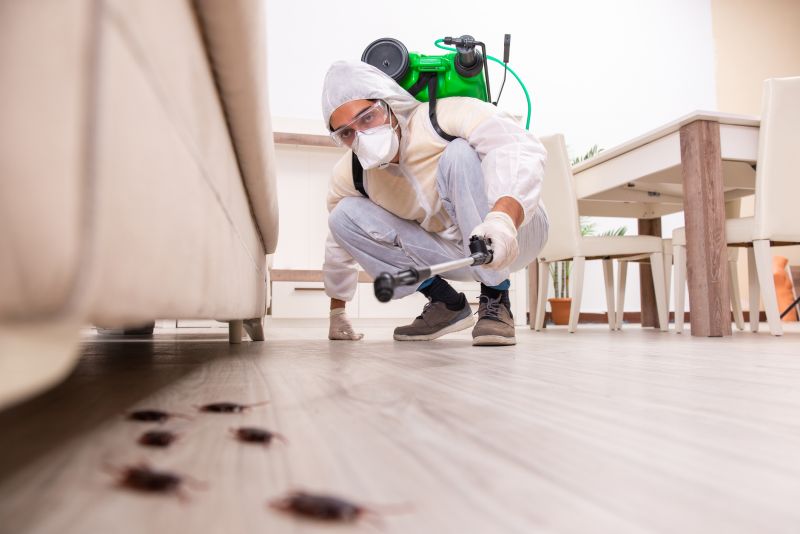
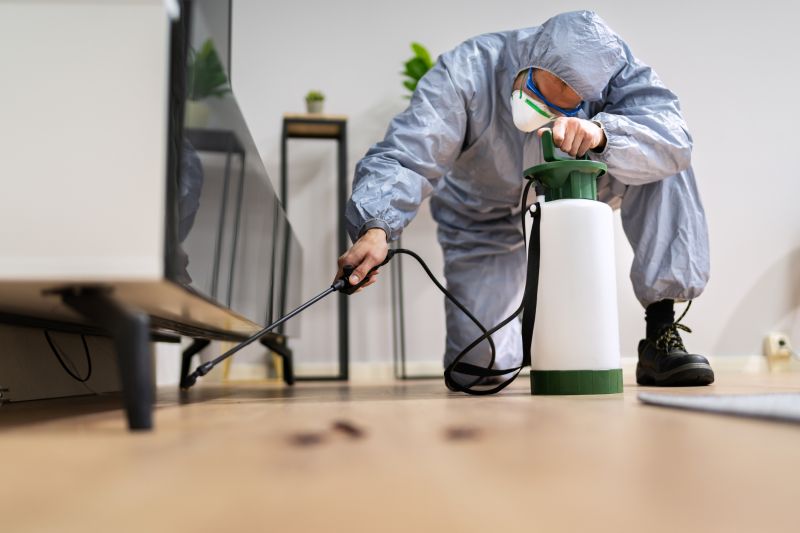
Understanding the difference between wildlife removal and pest control is important for property owners dealing with unwanted animals or pests on their property. Wildlife removal services are typically focused on safely and humanely removing larger animals such as raccoons, squirrels, or bats that may have entered attics, basements, or outdoor spaces. Pest control, on the other hand, usually targets insects and smaller pests like ants, cockroaches, or rodents, often involving treatments to eliminate infestations and prevent future issues. Homeowners or business owners in the area might look up this topic when they notice unusual animal activity or pest problems and want to ensure they choose the right type of service to address their specific situation.
Many property owners seek information about wildlife removal versus pest control to better understand which service is appropriate for their needs. For example, if someone finds a raccoon in their attic, they might consider wildlife removal services to handle the situation humanely and effectively. Conversely, if a home is infested with ants or cockroaches, pest control services are typically recommended to eliminate the insects and prevent recurring issues. Local service providers can assess each situation and recommend the most suitable approach, ensuring that the problem is handled properly and efficiently. This knowledge helps property owners make informed decisions and connect with the right professionals for their specific project.
What is the main difference between wildlife removal and pest control? Wildlife removal focuses on safely removing larger animals like raccoons, squirrels, or bats from properties, while pest control targets insects and smaller pests such as ants, roaches, or rodents.
When should I consider wildlife removal services instead of pest control? Wildlife removal services are appropriate when larger animals have entered your property or building, whereas pest control is suited for managing infestations of insects or small pests.
Do local service providers handle both wildlife removal and pest control? Yes, many local contractors offer both wildlife removal and pest control services, allowing them to address a variety of pest-related issues effectively.
How do wildlife removal and pest control methods differ? Wildlife removal typically involves humane trapping and exclusion techniques for larger animals, while pest control often uses targeted treatments or baits for insects and small pests.
Can wildlife removal prevent future animal intrusions? Yes, wildlife removal services often include exclusion measures to prevent animals from re-entering the property, which may not be a focus of standard pest control treatments.
Identify pest issues - Property owners can assess whether the problem involves insects or rodents, which are typically handled by pest control services, or wildlife animals needing removal services.
Determine wildlife activity - Recognizing signs of animal presence, such as droppings or nests, can help decide when wildlife removal services are appropriate.
Choose targeted solutions - Understanding the difference allows property owners to select the correct service for specific problems, ensuring effective management of pests or wildlife.
Prevent future infestations - Implementing recommended exclusion methods from local contractors can help keep pests and wildlife from returning to the property.
If you are thinking about wildlife removal vs. pest control: understanding the difference for a property, this guide is meant to help you understand this topic, the typical project types, and how different options might fit your plans.
When you are ready, you can use the quote form on this page to share a few details about your project. From there, local pros can review the basics and follow up with options that match what you have in mind.